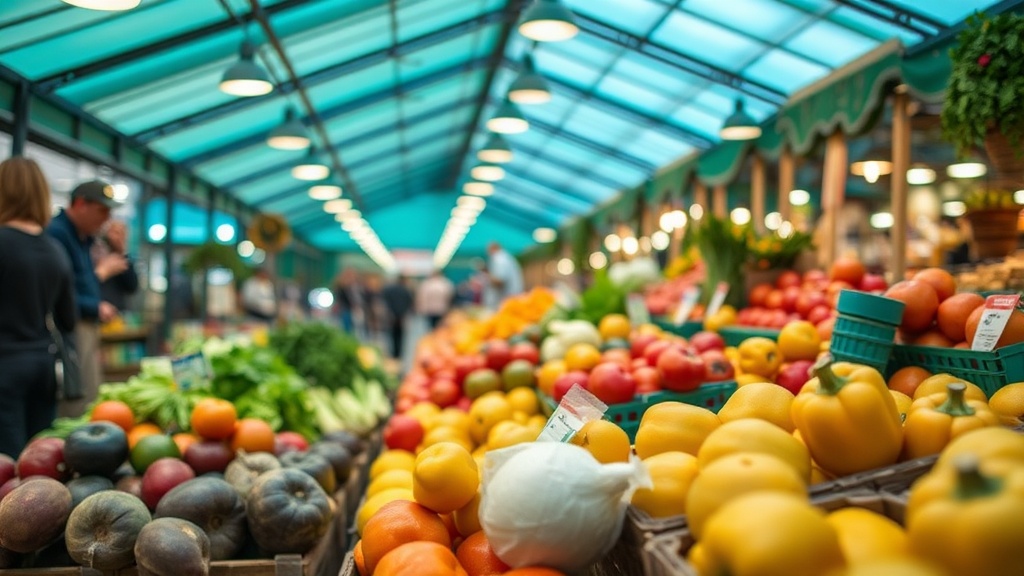
Finding the Best Seasonal Produce at Local Bradford Markets

The smell of sun-warmed basil and ripe strawberries hits you the moment you step onto the pavement near the market stalls. This guide covers everything you need to know about finding the highest quality seasonal produce at local markets right here in Bradford West Gwillimbury and the surrounding Simcoe County area. Whether you're looking for the crispest apples in October or the first sweet corn of July, knowing where to go and when to show up makes a massive difference in the flavor of your meals.
Living in the Bradford West Gwillimbury area means we are sitting in a goldmine of agricultural productivity. We aren't just near farms; we are surrounded by them. But if you've ever wandered through a market feeling overwhelmed by the sheer amount of greenery, you aren't alone. It can be confusing to know what's actually in season and what's just being shipped in from halfway across the world.
Where are the best farmers' markets near Bradford?
The best farmers' markets for residents of Bradford West Gwillimbury are the Bradford West Gwillimbury Farmers' Market, the nearby Newmarket Farmers' Market, and various seasonal roadside stands throughout Simcoe County.
For most of us, the local scene is the easiest way to get fresh food without a massive drive. The Bradford West Gwillimbury Farmers' Market is a staple for a reason. It brings together local growers who understand our specific Ontario soil and climate. You aren't just getting "produce"; you're getting food that was likely harvested less than 24 hours before it hit your basket.
If you find the local market is sold out of a specific item, don't panic. The Newmarket Farmers' Market is a short drive down the road and often has a slightly larger variety of artisanal goods. It's worth noting that many of these markets follow strict seasonal schedules—you won't find fresh corn in February, no matter how much you want it.
Here is a quick breakdown of what you can typically find during the peak seasons in our region:
| Season | Key Produce to Look For | Best Time to Visit |
|---|---|---|
| Spring | Asparagus, Radishes, Green Onions | Late May to June |
| Summer | Sweet Corn, Strawberries, Tomatoes, Peaches | July to August |
| Autumn | Apples, Pumpkins, Squash, Root Vegetables | September to October |
| Winter | Hardy Root Veggies, Preserved Goods, Apples | November to March |
How much does seasonal produce cost at local markets?
The cost of seasonal produce at local markets varies depending on the specific crop, the time of year, and the current weather conditions affecting local yields.
It’s a common misconception that shopping at a farmers' market is always more expensive than hitting a big-box grocery store. While a single pint of organic raspberries might cost more than the generic brand at a discount supermarket, you're paying for quality and freshness. If you time your visits correctly, you can actually find incredible deals. For example, during peak corn season, buying by the dozen is significantly cheaper than buying individual ears at a grocery store.
One thing to keep in mind is that prices are fluid. If a heavy frost hits the Simcoe County area, you'll see prices for leafy greens jump almost immediately. This is the reality of local agriculture. Unlike the global supply chains used by massive retailers, our local farmers are subject to the whims of Ontario weather. (It's a bit of a gamble, but the payoff in flavor is usually worth it.)
If you're looking to save a few bucks, try these tips:
- Buy in bulk during peak weeks: When strawberries are everywhere, buy more than you can eat and freeze them.
- Ask about "seconds": Some farmers sell "ugly" produce—fruit that might have a bruise or a weird shape—at a massive discount.
- Go late in the session: Sometimes, as vendors prepare to pack up, they'll offer lower prices to clear out their remaining stock.
What should I look for to ensure produce is fresh?
To ensure produce is fresh, look for vibrant colors, firm textures, and natural scents while avoiding any signs of bruising, wilting, or mold.
You can't just grab a tomato and hope for the best. You have to use your senses. For leafy greens like spinach or kale, look for leaves that are crisp and upright. If they are limp or slimy, they've already seen better days. For root vegetables like carrots or potatoes, the skin should be firm. If a potato feels soft or has deep sprouts, leave it on the shelf.
When it comes to fruit, color is your best friend. A strawberry should be red all the way to the top, not just at the base. An apple should have a tight, shiny skin. If you're buying herbs, the smell is the ultimate test. If a bunch of basil doesn't have that punchy, aromatic scent, it's likely old.
It's also a good idea to check the agricultural standards in Ontario to understand how our produce is grown and handled. This helps you understand why certain items might look different from the "perfected" versions you see in highly processed food advertisements.
Here is a quick checklist for your next market run:
- The Weight Test: Pick up fruits like melons or citrus; they should feel heavy for their size, indicating high water content.
- The Scent Test: If it doesn't smell like much, it probably doesn't taste like much.
- The Texture Check: Avoid anything with soft spots or excessive bruising.
- The Color Check: Look for deep, consistent colors rather than pale or washed-out hues.
One thing I've learned over the years is that the best produce often isn't the prettiest. A slightly crooked carrot still tastes exactly like a straight one. Don't let a "perfect" appearance fool you into thinking a supermarket vegetable is superior. Often, the slightly imperfect ones from a local farm have way more character.
If you're worried about food safety, you can always check the Canadian Food Inspection Agency website for updates on food recalls or safety standards. It's always better to be informed when you're bringing new ingredients into your kitchen.
When you're out at the market, don't be afraid to talk to the farmers. They are usually incredibly passionate about what they do. Ask them how to best store that specific type of squash or how long it will last on your counter. Most of the time, they are more than happy to share their expertise. It's a part of the experience that you just don't get when you're scanning barcodes in a grocery aisle.
That said, always remember to bring your own reusable bags. Most of these local markets are trying to reduce single-use plastic, and it's much easier to carry heavy items like potatoes or squash in a sturdy canvas bag than in a flimsy plastic one. It's a small habit, but it helps keep our local environment clean.
If you find a vendor you love, try to become a regular. Building those relationships can lead to more than just better produce; sometimes, you'll even get the first pick of the new harvest before it's even put out on the table. That's the real "insider" way to shop in Bradford West Gwillimbury.
Steps
- 1
Check the Seasonal Calendar
- 2
Visit During Peak Morning Hours
- 3
Bring Reusable Bags and Small Change