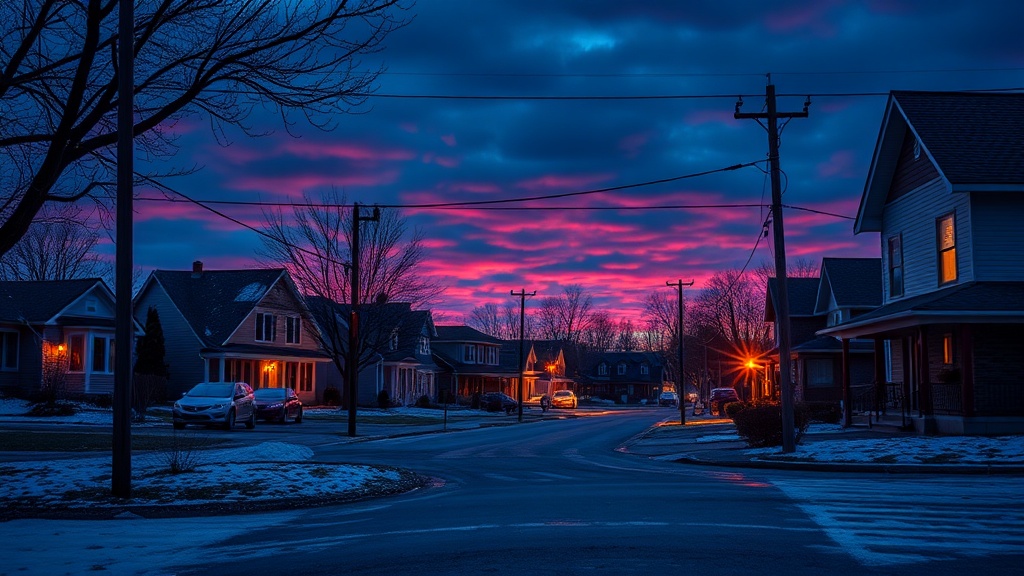
Keeping Up With the Gwillimbury: Managing Bradford West Gwillimbury Property Standards

If your grass reaches 20 centimetres in height, you are officially breaking the law in our town. It sounds like a joke, but under the Town of Bradford West Gwillimbury Clean Yards Bylaw (2014-72), letting your green space get out of hand is a ticketable offence. While we all want our homes to look sharp, our community has these rules for reasons beyond just looking pretty—they prevent pests, keep sightlines clear for drivers on Holland Street, and maintain the collective property values of our neighborhoods. Being a homeowner here means understanding the specific expectations the town has for your outdoor area, especially as we head into the peak growing season.
Living in a place like Bradford West Gwillimbury means we take a certain amount of pride in our streets. Whether you are in a newer development near Professor Day Drive or one of the classic bungalows off Simcoe Road, how you maintain your yard affects everyone on the block. The town’s bylaw officers aren't just roaming around looking for trouble (usually), but they do respond to complaints from neighbors who are tired of seeing dandelions go to seed or scrap metal piling up in a driveway. Dealing with these standards proactively is much better than receiving a formal Notice to Comply in your mailbox.
What are the actual grass height limits in Bradford West Gwillimbury?
The magic number for lawn length in Bradford West Gwillimbury is 20 centimetres (about 8 inches). Once your grass hits that height, the town considers it overgrown. Besides just looking messy, long grass is a prime habitat for ticks and rodents—something nobody in our community wants to deal with. If a bylaw officer identifies a violation, they will typically issue a notice giving you a few days to get the lawn mowed. If you choose to ignore that notice? The town has the authority to hire a private contractor to do the work for you. The kicker is that the cost of that contractor, plus a hefty administrative fee (often exceeding $100), gets tacked directly onto your property taxes. It is the most expensive lawn cut you will ever pay for.
For those of us who prefer a more natural approach to gardening, there is a way to avoid the "manicured lawn" look without getting fined. Naturalized gardens are permitted, but they have to be intentional. You can't just stop mowing and claim you are saving the bees; you need a defined garden bed with specific native plantings. The Lake Simcoe Region Conservation Authority (LSRCA) has great resources for choosing plants that thrive in our local soil while keeping our ecosystem healthy. Just make sure your "meadow" doesn't overflow onto the sidewalk or block the view for neighbors backing out of their driveways.
Can you plant whatever you want on your Bradford West Gwillimbury boulevard?
This is where things get a bit tricky for many residents. The boulevard is that strip of grass between your property line and the actual road. While you are responsible for cutting the grass and picking up litter there, the Town of Bradford West Gwillimbury actually owns that land. It is a public right-of-way used for utilities and snow storage in the winter. Because of this, you aren't allowed to just build a stone wall or plant a massive hedge right up to the curb. Any plantings you put there must be kept low—usually under 1 metre—to ensure they don't block the view of traffic at intersections like 8th Line or Marshview Blvd.
If you are thinking about doing some serious garden work on the boulevard, it's a good idea to check the town's encroachment bylaw first. Putting in permanent structures or large trees can interfere with water mains or gas lines buried underneath. Also, remember that anything you plant on the boulevard is at risk during our legendary Ontario winters. When the snowplows come through to clear the way to the Bradford West Gwillimbury Public Library or the Leisure Centre, they need a place to push all that salt-laden slush. Your delicate prize-winning roses might not survive the winter salt spray if they are too close to the pavement.
When does the Bradford West Gwillimbury outdoor watering ban start?
Water is a shared resource, and in a town that borders the Holland Marsh, we understand its value better than most. To keep our infrastructure running smoothly during the hot July and August stretches, the Town of Bradford West Gwillimbury implements mandatory water conservation from May 1 to September 30 every year. The rules are pretty simple: if you live at an even-numbered house, you can water your lawn on even-numbered days. If your house number ends in an odd digit, you get the odd-numbered days. However, you can only run those sprinklers between 6:00 PM and 9:00 AM. This isn't just a random rule—watering in the heat of the day is a waste because so much of it evaporates before it ever hits the roots.
New sod is the only real exception here. If you've just laid down fresh grass, you can apply for a temporary permit that allows for daily watering while the roots take hold. Outside of that, bylaw officers do patrol for "water bandits" who leave their hoses running at high noon. We have to be mindful that our local water system has limits, and keeping our lawns green shouldn't come at the expense of our community's water pressure during peak hours. You can find more details on these restrictions on the Town of BWG Bylaws page.
Besides just grass and water, the Clean Yards Bylaw also covers what the town calls "refuse." This includes old appliances, scrap wood, or piles of tires sitting in your yard. While you might be planning to use those old bricks for a project "eventually," leaving them visible from the street for months on end can trigger a complaint. The goal is to keep Bradford West Gwillimbury looking like a place where people actually want to live and invest. If you have stuff to get rid of, our local waste management schedules are fairly generous, or you can make a quick trip to the nearby landfill sites.
We also have to watch out for noxious weeds. Species like Ragweed and Poison Ivy aren't just ugly; they are a health hazard for many people in our community. The Province of Ontario maintains a list of weeds that must be destroyed (Noxious Weeds List), and the town is quite strict about ensuring these don't spread from yard to yard. If your property is backing onto one of our beautiful trails or parks, like Henderson Park, you have an extra responsibility to make sure your invasive garden plants aren't "escaping" into the local wild spaces.
At the end of the day, these rules exist to protect the "Bradford in Bloom" spirit that has been part of our history for years. When we all follow the same playbook, our neighborhoods stay safe, our streets look welcoming, and we avoid those awkward "why did you call bylaw on me?" conversations with the people next door. It only takes a little bit of planning and a quick mow every weekend to stay on the right side of the law in Bradford West Gwillimbury. Keep the grass under 20 centimetres, watch your watering days, and keep the boulevard clear—your neighbors (and your property tax bill) will thank you for it.