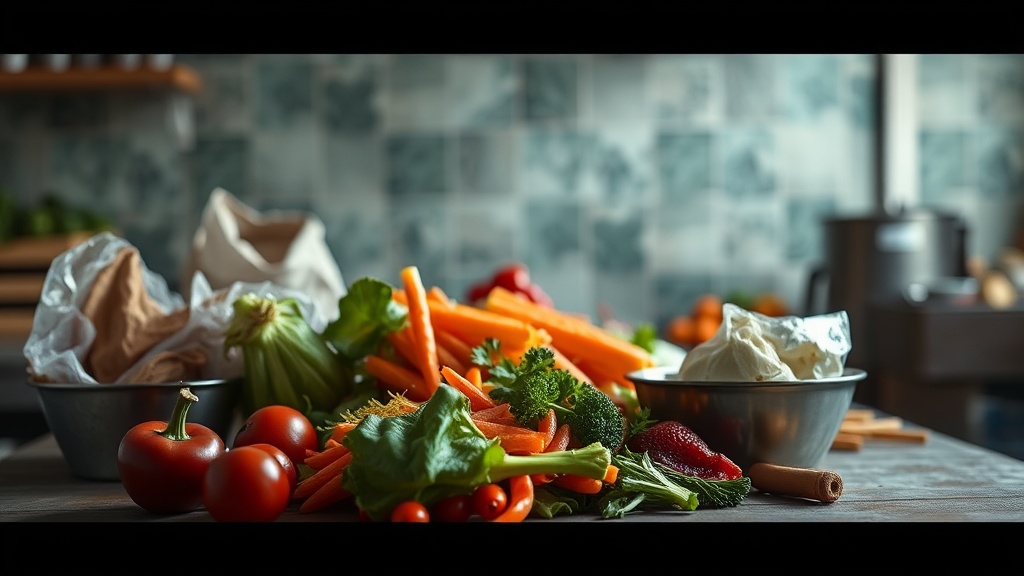
Making Every Bite Count: Simple Steps to Trim Household Food Waste

Imagine opening your fridge to find that half-eaten container of spinach wilting, or those bananas you bought last week now sporting a mottled brown. It happens to us all—food waste is a pervasive problem, not just for our wallets, but for the environment too. In Bradford West Gwillimbury, small changes in how we manage our household food can make a significant difference, preventing good food from ending up in landfills and saving you money in the process.
How can smart shopping help reduce food waste?
The journey to less food waste often begins before you even step foot in the grocery store. Planning your meals for the week, for example, allows you to create a precise shopping list. This simple act means you’re only buying what you actually need, avoiding impulse purchases that often lead to forgotten items in the back of the fridge. Before you head out, do a quick inventory of your pantry and refrigerator—you might be surprised by what you already have!
Proper storage also plays a big role in extending the life of your groceries. Did you know that keeping fresh herbs like parsley or cilantro in a glass of water, much like a bouquet of flowers, can keep them fresh longer? Or that certain fruits, such as apples and bananas, release ethylene gas, which can ripen (and spoil) other produce faster? Storing them separately can make a world of difference.
What are some clever ways to use leftovers and scraps?
Don't dismiss leftovers; embrace them! That extra portion of roasted vegetables from dinner can become a delicious stir-fry for lunch the next day, or blend into a hearty soup. Think creatively about what you have—yesterday's chicken can be tomorrow's sandwich filling. Even parts of produce we often discard, like broccoli stalks (peel and slice 'em!) or carrot tops (great for pesto!), are perfectly edible and nutritious. This "root-to-stem" approach not only minimizes waste but also encourages culinary adventure. For more guidance on reducing food waste, consider checking out resources from the