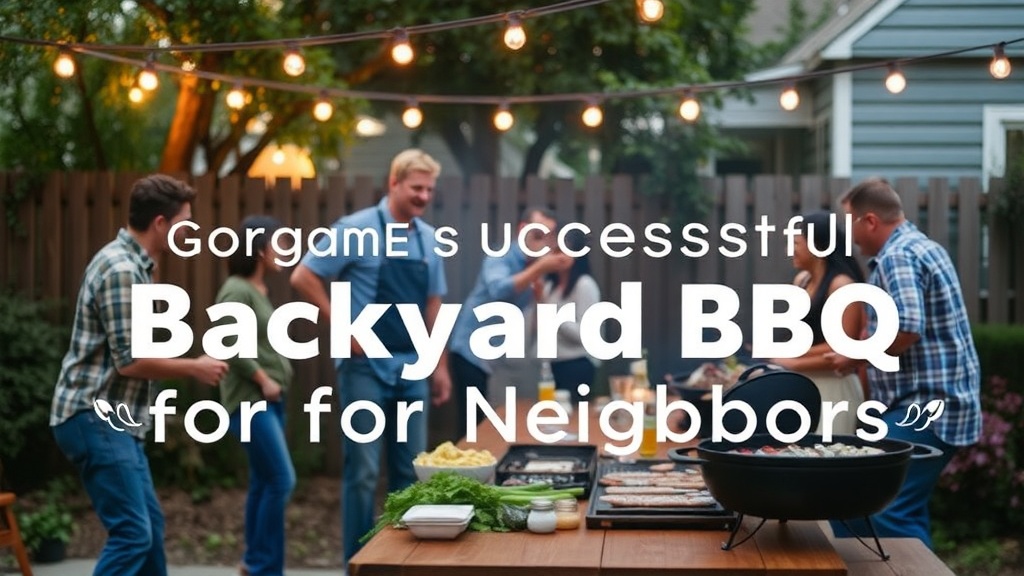
Organizing a Successful Backyard BBQ for Neighbors

Most people think hosting a backyard BBQ for the neighborhood requires a massive budget and a professional catering crew. That's simply not true. A successful gathering in Bradford West Gwillimbury is actually about way more than just the food; it's about managing the logistics of weather, seating, and local-friendly menus so you aren't stuck cleaning up a mess for three hours after everyone leaves. This guide breaks down the actual mechanics of hosting a stress-free, high-quality outdoor event for your neighbors.
How Much Food Should You Actually Buy?
You should plan for approximately 1.5 servings of protein per adult and 2 to 3 side dishes per person to ensure no one leaves hungry. It's better to have a little too much than to run out halfway through the burgers. If you're serving a crowd in Ontario, you have to account for the fact that some people will eat much more than others—especially if there are hungry teenagers in the mix.
When shopping, don't just grab the cheapest bulk packs at the grocery store. If you want to impress the neighbors, head to a local butcher or a high-quality market. I've found that finding your perfect local farmer market stall is the best way to get high-grade seasonal produce that makes your sides stand out. A simple corn on the cob from a local vendor tastes a lot better than a frozen bag from a big-box store.
Here is a quick breakdown of standard quantities for a group of 20 people:
| Item Type | Estimated Quantity | Notes |
|---|---|---|
| Main Protein (Burgers/Sausages) | 30-35 pieces | Always have a 20% buffer. |
| Side Dishes (Salads/Chips) | 4-5 Large Bowls | Potato salad and coleslaw are classics. |
| Buns | 4 Packs (8-count) | Don't forget the gluten-free option! |
| Beverages | 12-15 Liters | Includes water, soda, and iced tea. |
One thing to remember—always check for dietary restrictions before you hit the store. It’s a small gesture that makes a huge difference. If you have a neighbor who is vegan or allergic to nuts, having a dedicated section of the grill for them shows you actually care about the details.
What Is the Best Way to Manage Outdoor Seating?
The best way to manage seating is to create "zones" rather than trying to fit everyone around one single table. In a typical Bradford backyard, you won't always have enough patio chairs for twenty people. Instead of buying dozens of cheap plastic chairs that break easily, think about varied seating arrangements.
I like to mix it up. Use your existing patio furniture for the older neighbors, but add some folding chairs, outdoor cushions, or even some sturdy hay bales covered with blankets for a more casual vibe. This keeps the conversation flowing and prevents people from feeling "stuck" in one spot. If the ground is uneven, you might want to look into heavy-duty outdoor rugs or even some outdoor-rated furniture from a brand like Canadian Furniture to keep things stable.
A few tips for seating success:
- The Shade Factor: If your yard is open, a pop-up canopy or a large patio umbrella is a lifesaver.
- The Flow: Leave enough space between chairs so people can move around without bumping into each other (and spilling drinks).
- The Height: Mix tall cocktail tables with low lounge seating to create different energy levels in the yard.
It's also worth noting that if you're hosting in the early spring or late fall, the temperature in Ontario can drop fast. Having a few extra outdoor blankets or even a portable propane heater can keep the party going long after the sun goes down.
How Do You Keep Food Safe Outdoors?
Keep all highly perishable items—like mayonnaise-based salads, raw meats, and dairy—on ice or in a temperature-controlled environment at all times. Food safety is the one area where you cannot afford to be casual. In our local climate, even a mild afternoon can cause food to spoil quickly if left out on a picnic table.
The "Danger Zone" for food temperature is between 4°C and 60°C (40°F to 140°F). According to the Government of Canada, bacteria grow rapidly in this range. To avoid a situation where your neighbors get sick, follow these rules:
- The Two-Basket System: Use one cooler for drinks (which gets opened constantly) and a separate, more insulated cooler for the actual food.
- The Serving Spoon Rule: Never use the same utensil for raw meat and cooked meat. It's a basic mistake, but it happens all the time.
- The 2-Hour Limit: If the temperature is high, don't leave perishable food out for more than two hours. If it's over 30°C, that window shrinks to one hour.
- The Thermometer Trick: Keep a digital meat thermometer handy. You want to ensure your chicken reaches an internal temperature of 74°C (165°F) before serving.
If you're using a grill, make sure you have a high-quality tool like a Weber Spirit or a Napoleon gas grill. These brands are reliable and provide more consistent heat, which helps when you're cooking for a crowd. A cheap grill that has "hot spots" is a recipe for burnt edges and raw centers.
How Do You Handle Weather Changes?
Always have a "Plan B" that involves moving the party indoors or under a permanent structure. Weather in Southern Ontario is notoriously unpredictable. You might start with clear blue skies and end with a sudden downpour. This is where many hosts panic, but it doesn't have to be a disaster.
If you have a large deck or a gazebo, you're in good shape. If not, you need to be prepared to move the food and the people inside your house quickly. This is why I always suggest keeping the "main event" (the heavy food and the main seating) in a spot that is easy to transition. If you're planning a more formal outdoor setup, you might want to look at gazebo designs or even temporary tent rentals to ensure you aren't caught off guard.
A pro tip: keep a stack of clean, dry towels near the door. If people are running in from a light drizzle, you don't want them tracking water all over your hardwood floors. It’s a small detail, but it keeps the transition from "outdoor BBQ" to "indoor cocktail hour" seamless.
The goal isn't to be perfect. It's to be prepared. When you have the right amount of food, a solid plan for seating, and a strategy for food safety, you can actually enjoy your own party instead of just managing it. Your neighbors won't remember if the buns were slightly toasted too much—they'll remember that you were a great host who made them feel welcome.
Steps
- 1
Plan your menu with local ingredients
- 2
Set the scene with comfortable seating
- 3
Prepare for unexpected weather changes
- 4
Keep guests refreshed with local beverages